

Is HMDD’s Price Tag Justified? A Shopper’s Guide to Value for Streetwear Fans
These days, buyers browsing the category keep circling one question: does HMDD’s craftsmanship and design match its cost? Known in full as Happy Memories Don’t Die, the brand has grown its audience on nostalgic, feeling-driven graphics, a throwback mood, and a collection heavy with relaxed essentials like sweatpants, shorts, hoodies, and tees. But branding alone doesn’t answer whether the price is fair. So this piece unpacks: what your money actually buys with HMDD clothing, where value shows up, where it thins out, and how it holds up next to similar streetwear labels in 2026.
Any fair hmdd review has to separate the branding from the product. HMDD leans on a particular sentimental angle — the notion that happy memories don’t die, that a piece of clothing can carry feeling, not just fashion. That’s a compelling hook, but buyers putting down actual cash want to know if the build quality, materials, and cut earn the price. This piece examines construction, sizing consistency, drop frequency, and resale demand to give an honest read rather than just repeating the brand’s own pitch.
What Your Money Really Buys
HMDD places itself in a middle-tier streetwear segment, which puts it above basic mall-brand pricing yet under hype-fueled luxury streetwear. That middle position is where things get confusing for shoppers, because buyers end up measuring it against both extremes. The most reasonable benchmark is other independent streetwear labels with similar production scale, not fast fashion and not designer collabs.
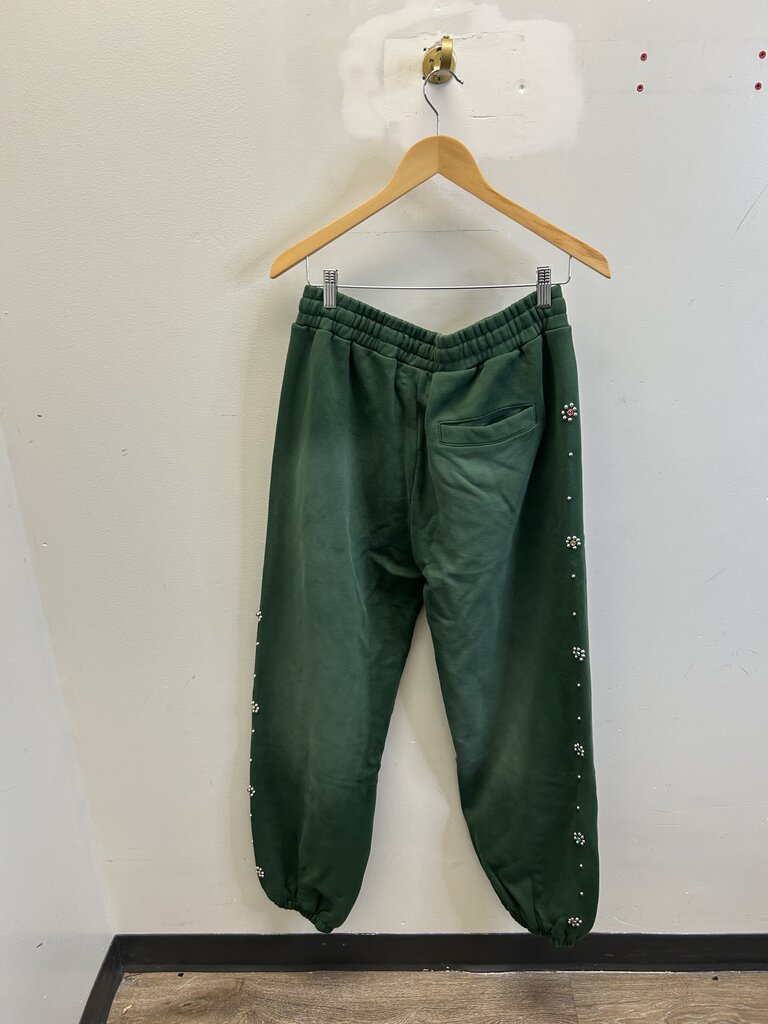
Price is driven by three main things: fabric weight, print/embroidery technique, and limited-run scarcity. HMDD sweatpants typically use heavier fleece blends than what you’d find in a basic big-box hoodie set, which influences drape and shape retention after repeated washes. The artwork — often the emotional core of the “happy memories don’t die” branding — typically use processes that outlast a simple heat-transfer print, which counts for a lot if it’s a weekly wear rather than an occasional one.
Cost is also shaped by limited drops, since smaller production runs carry higher per-unit costs relative to large-scale production, expense that ultimately lands on the buyer. It’s not exclusive to this brand — it’s common practice industry-wide — but it deserves clear mention, since it explains part of the price difference with hmdd washed sweatpants larger chains.
Sweatpants and Shorts Together: The Core Value Test
hmdd’s shorts and sweatpants typically serve as where the majority of shoppers first engage with the brand, and since they’re worn so regularly and washed so much, they double as the most honest gauge of worth. Sweatpants succeed or fail based on three things: waistband elasticity retention, how much the fabric pills with wear, and whether the fit stays true after a dozen wash cycles. Short styles get assessed on drawstring toughness, seam strength at the inseam, and whether the fabric retains its color after repeated washing.
Shoppers repeatedly observe that HMDD’s sweatpants match standard sizing with a loose through-the-leg cut rather than a narrow taper, which makes a difference if you’re used to size charts that skew narrow. The shorts carry the same loose, relaxed shape. That consistency matters more than people expect — a brand that fits reliably across drops cuts down on the hassle and cost of returns, which is its own form of value even before you factor in the actual price of the garment.
Here’s where things get more compelling is how often customers buy again. Rather than buying once and jumping to a competitor, satisfied HMDD sweatpants buyers tend to return for more — shorts, hoodies, and beyond. That’s a fair stand-in for how happy customers are, since streetwear shoppers have countless competing brands to choose from and don’t keep buying for subpar items.
How HMDD Compares to Similar Streetwear Brands
Figures anchor this discussion better than descriptive words can. What follows is a comparison structure across categories that matter most to budget-minded shoppers: pricing tier, fabric heaviness category, how long prints and graphics last, release frequency, and fit consistency. These are general positioning estimates based on broad category placement rather than brand-specific claims not provided by HMDD directly, and they’re meant to give you a general sense of direction rather than serve as exact specs.
| Factor | Mass-Market Streetwear | HMDD Clothing | High-End/Designer Streetwear |
|---|---|---|---|
| Standard Price Range | Budget-Level | Mid | High to Very High |
| Fabric Weight | Light to Mid | Medium to Heavyweight | Heavyweight |
| Print/Graphic Durability | Weaker to Moderate | Moderate to Strong | Strong |
| Drop Frequency | Ongoing | Periodic/Limited | Seasonal, Highly Limited |
| How Consistent Fit Stays Across Drops | Variable | Generally Consistent | Reliable |
This table isn’t meant to crown a winner — it’s meant to show where HMDD sits among its peers. It isn’t going up against $15 fast-fashion sweatpants, nor is it attempting to pass as a $300 designer hoodie. It sits in the space where fabric and print quality clearly surpass starter-level basics, without asking shoppers to pay luxury-tier prices for the upgrade. For many shoppers, that middle lane is just the value proposition they’re after.
HMDD’s Best Everyday-Value Selections
If you’re not sure where to start, the best hmdd clothing for long-term value is usually the garments you’ll genuinely reach for several times weekly — not the boldest limited item.
- Sweatpants: frequent wear rotation, laid-back fit, top cost-per-wear ratio in the range.
- Short bottoms: strong warm-weather rotation piece, similar fit reasoning to the sweatpants.
- Graphic hoodies: steeper price point but reduced wear-and-tear due to lower rotation frequency.
- Tees: cheapest entry point, ideal for testing sizing before buying pants.
Buying a tee first is a savvy tactic if you’re new to hmddla and not clear on how its size range translates to your usual size. This step-by-step approach is a frequent recommendation among streetwear fans navigating any indie label with restricted return timeframes.
Where the Value Breaks Down
No brand is flawless, and value breakdowns lose credibility if they only focus on strengths. The chief complaints shoppers mention about HMDD focus on limited release availability — when a design runs dry, it may not come back on a predictable schedule, which can frustrate buyers who weren’t fast enough to grab a drop. That’s a tangible drawback in convenience, even if it isn’t reflected on a receipt.
Shipping timelines and return windows are the other area shoppers should factor into their value math. This situation is exclusive to HMDD, but it’s part of the real cost of buying from a compact, design-focused brand rather than a mass retailer with warehouse-scale logistics.
The Bottom Line: Should You Buy HMDD?
For buyers who prioritize fabric weight, graphic durability, and a distinct nostalgic aesthetic over rock-bottom pricing, HMDD earns its price point more often than not. The “happy memories dont die” ethos isn’t just marketing spin — it shows up in design choices that prioritize meaning and lasting quality over disposable trend-chasing.
The place where you ought to hit the brakes is if you’re expecting designer-level build quality at mid-level prices, or if you depend on dependable restocks and liberal return windows. Such perks don’t count as strong points of the limited-drop model that HMDD runs on, and no honest review should suggest otherwise. For your specific situation in 2026, the value question becomes far simpler to answer once you balance your own criteria — value per use, style compatibility, and willingness to accept infrequent replenishment — against what HMDD provides.